Optimizing Cement Plant Reliability Through Advanced Power Quality and Thermal Diagnostic Strategies
Our technical insights on improving cement plant reliability as featured in the Survey of Cement Industry & Directory 2026 | 9th Edition.
1. The Diagnostic Imperative in Cement Manufacturing
Cement manufacturing represents one of the most punishing industrial environments, defined by continuous 24/7 operation, extreme thermal gradients, and heavy mechanical stress. In this high-stakes arena, unplanned downtime is not merely a logistical hurdle; it is a catastrophic financial event. Given the energy-intensive nature of kiln stabilization and the lost throughput of grinding circuits, facility managers must prioritize a proactive asset integrity strategy. For the Senior Reliability Engineer, the “ideal diagnostic suite” is no longer a luxury but a requirement—a sophisticated synthesis of high-resolution thermography and precision power quality analysis. Especially in facilities operating in “island mode” or on weak grid connections, the ability to visualize invisible thermal defects and decode complex electrical transients is the only way to ensure operational excellence.

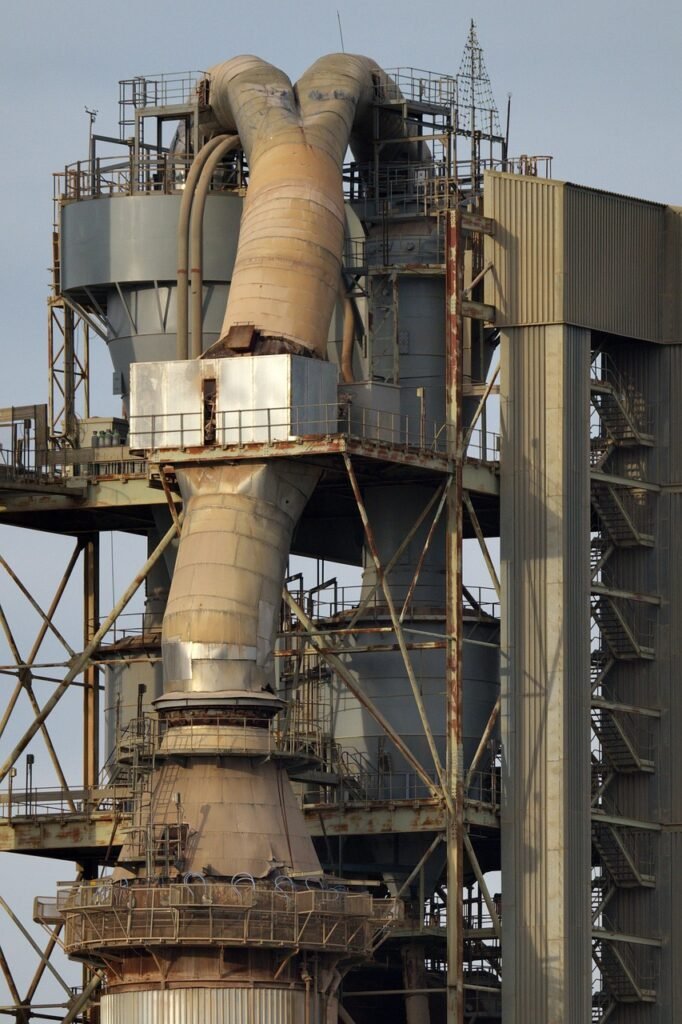
2. Navigating the Heavy Industrial Power Landscape
The electrical infrastructure of a cement plant faces unique stressors that often elude standard monitoring tools. The primary challenge lies in the sheer scale of induction motor loads—driving high-inertia ball mills and crushers—and the pervasive “noise” generated by Variable Frequency Drives (VFDs). While VFDs are essential for energy optimization, they introduce non-linearities that can destabilize the entire distribution network.
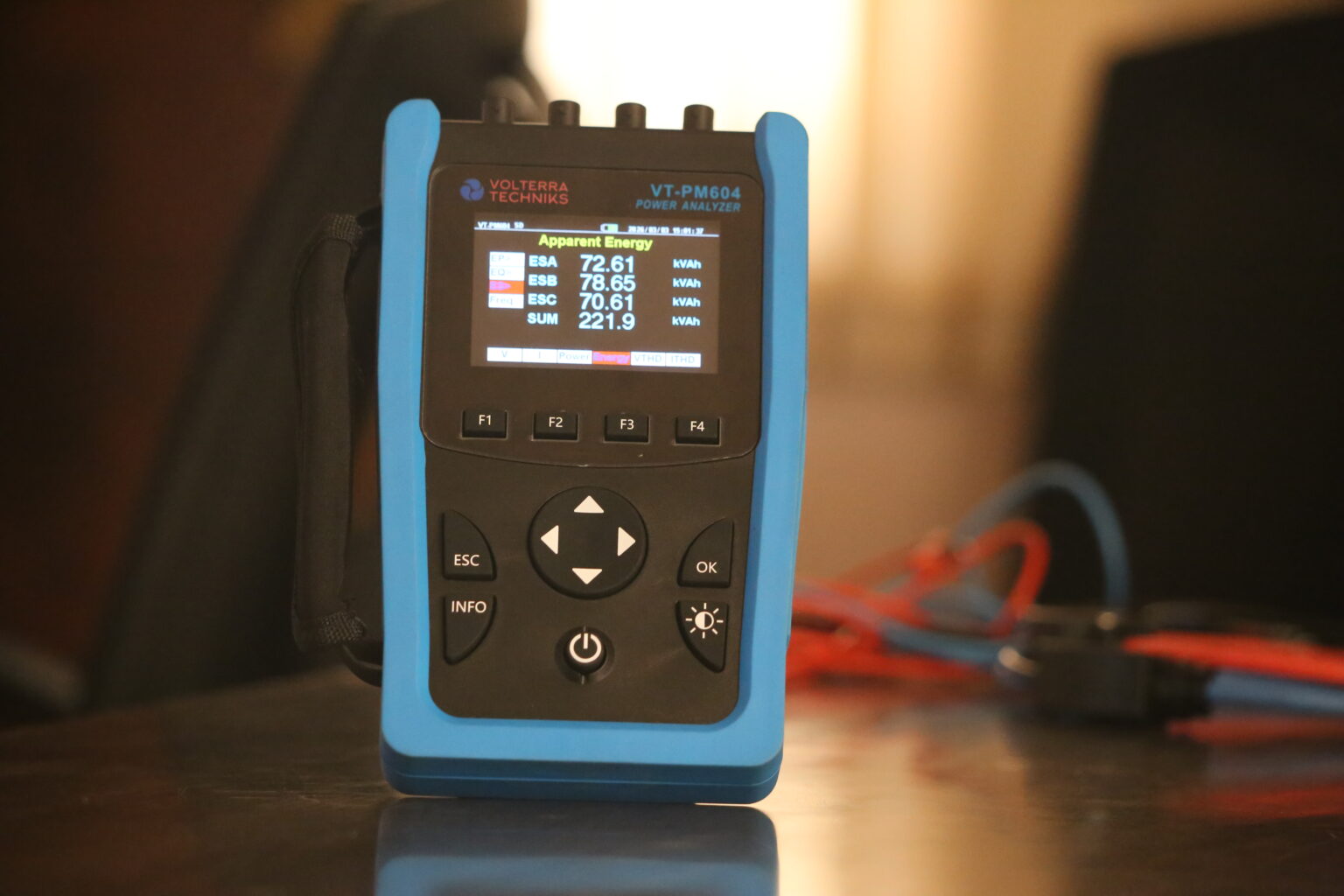
A critical engineering hurdle in these plants is the physical size of the conductors; busbars and high-capacity cables are often too large for traditional split-core CTs. Utilizing the VT-PM604 Power Quality Analyzer with its Rogowski coil compatibility provides the necessary flexibility to monitor these large leads without invasive downtime.
Primary electrical stressors in this environment include:
High-Inertia Motor Starts
High-Inertia Motor Starts create massive transient demands and voltage dips that can trigger nuisance tripping in sensitive control electronics.
Harmonic Distortion from Non-Linear Loads
High-order harmonics from large fan drives lead to skin-effect heating in conductors and premature insulation breakdown.
Multi-Phase Configuration Complexity
The requirement for continuous monitoring across 3-phase (3PH4W and 3PH3W) configurations is vital to maintain system-wide phase integrity and balanced loading.
3. Precision Power Quality Analysis: Beyond Basic Monitoring
In a cement plant, standard RMS readings are insufficient for true root-cause analysis. High-speed data acquisition is non-negotiable for capturing the “micro-behavior” of power systems. An analyzer must be capable of identifying the specific harmonic signatures that lead to equipment fatigue.
| Feature | Operational Benefit |
|---|---|
| High Sampling Rate | Captures high-speed transients and precise start-up inrush characteristics of mill motors. |
| 51st Order Harmonics Detection and Monitoring | Essential for detecting 6-pulse vs. 12-pulse VFD signatures, identifying resonance and preventing motor overheating. |
| Voltage & Current Unbalance | Detects unbalance in source which can cause rapid motor heating and loss of motor torque. |
4. Thermal Imaging: Visualizing Invisible Defects in High-Heat Environments
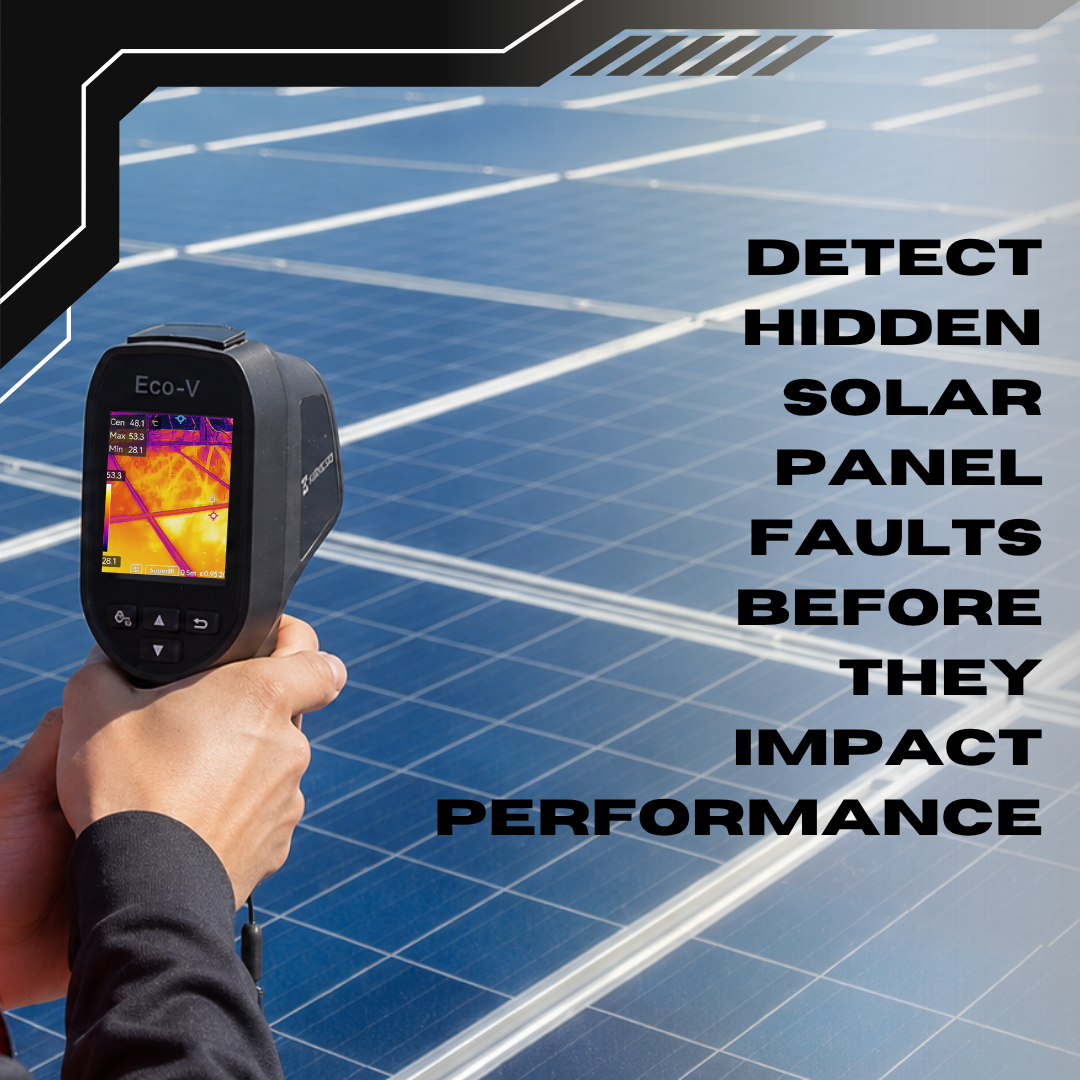
Thermography serves as the visual validator for electrical findings. In cement production, safety often dictates that inspections occur at a distance. The Pocket2 camera utilizes SuperIR Image Enhancement, which is critical for maintaining high image clarity when scanning kilns or overhead conveyors from a safe standoff distance. By combining an IR resolution of 256×192 with a high 25Hz frame rate, engineers can capture transient heat shifts in fast-moving machinery without motion blur.
Integrated Workflow Example :
When the VT-PM604 identifies a high voltage unbalance at the distribution level, the Pocket2 is immediately deployed to the specific motor junction box. This allows the engineer to verify if that unbalance has manifested as a localized thermal hotspot, confirming the defect before a failure occurs.
Critical Thermal Inspection Zones
Kiln Shell Hotspots
Monitoring refractory lining integrity to prevent shell deformation and catastrophic “burn-throughs.”
Clinker Cooler Bearings
Detecting early-stage lubrication failure or misalignment in heavy-duty cooling fans.
MCC (Motor Control Center) Buckets
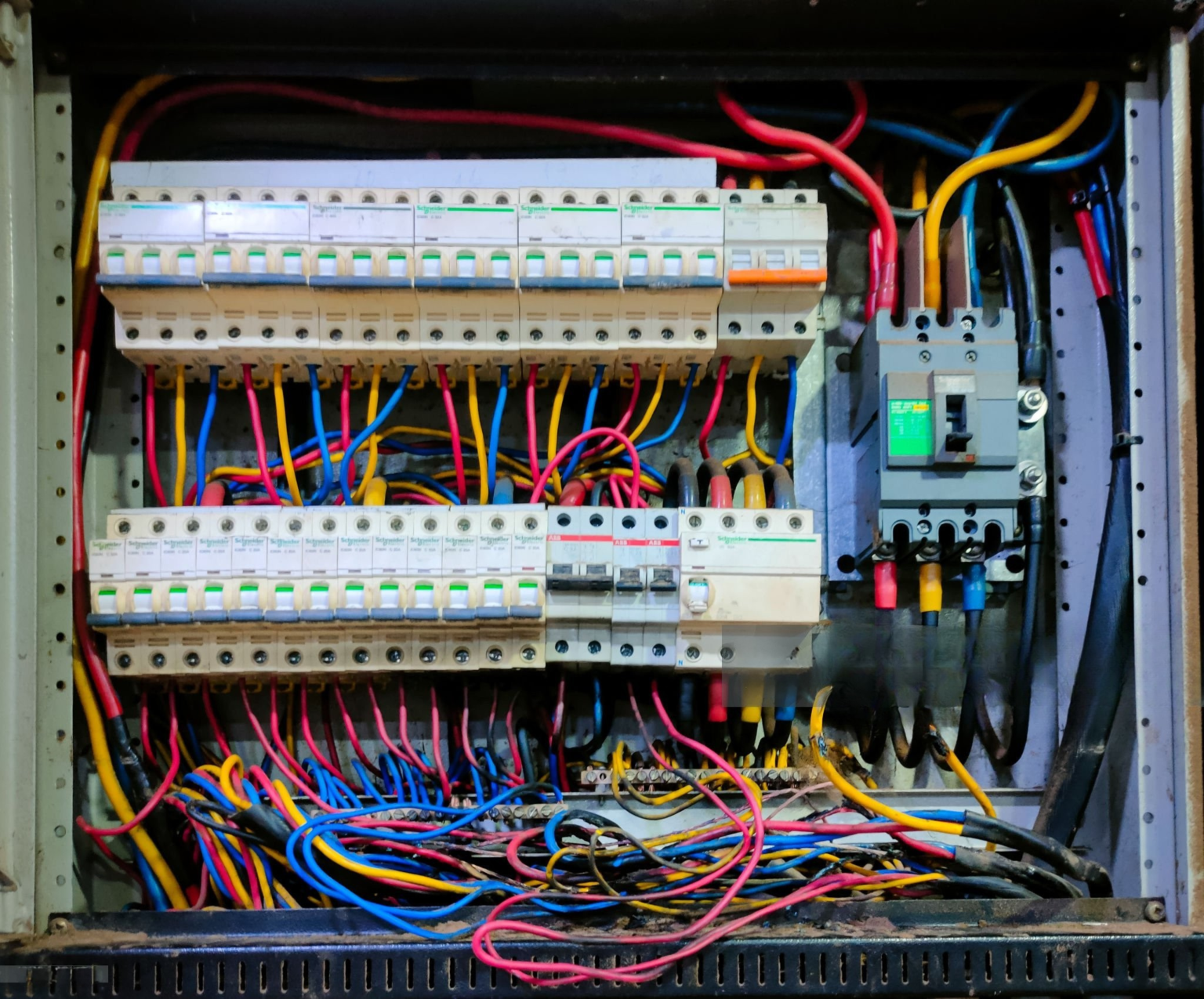
Identifying loose connections or oxidized contacts in high-vibration environments where mechanical fatigue is common.
5. Data Persistence and Facility-Wide Connectivity
The logistics of a large-scale cement facility demands tools that are both rugged and capable of long-term data management.
Logistical Memory
While the VT-PM604 stores 30GB of historical electrical data, the Pocket2 camera features 16GB of internal memory, capable of storing approximately 60,000 images vital for comprehensive site-wide audits.
Industrial Connectivity
Real-time diagnostics are facilitated via MODBUS TCP/IP (RJ45) for the power quality analyzer and Wi-Fi for immediate thermal image sharing with remote technical teams.
Ruggedized Reliability
Physical endurance is split by application. The Pocket2 is rated at IP54 to withstand the dust-heavy clinker areas, while the VT-PM604 is rated at IP20, designed for secure mounting within protected electrical panels. Both are 2m drop-test certified.
Operational Endurance
Battery life is a critical logistical distinction. The VT-PM604 provides up to 10 hours of continuous operation for full-shift power audits, whereas the Pocket2 is designed for 4 hours of continuous thermal scanning.

6. Conclusion:
A Data-Driven Future for Cement Maintenance
The integration of advanced power quality analysis and high-resolution thermography creates a dual-pillar strategy for cement plant reliability. By correlating electrical harmonics and negative sequence currents with localized thermal anomalies, maintenance teams can eliminate the guesswork that leads to unplanned downtime. The true value of these tools lies not just in their technical specifications—such as 8k sampling or SuperIR clarity—but in the precision of the actionable data they provide to the engineer, ensuring every intervention is backed by empirical evidence.