Water Leak Detection Using Thermal Imaging: A Smarter Way to Find Hidden Leaks
Water leaks inside buildings can remain hidden for days, weeks or even months. However, the damage may continue to grow during that time.
A small leak behind a wall or under a floor can cause dampness, mould, structural damage and higher maintenance costs. Therefore, water leak detection plays an important role in protecting buildings and reducing repair work.
Traditional inspection methods can help locate visible leaks. However, they may not identify the actual source when plumbing systems remain concealed.
This is where thermal imaging can provide valuable support.
What Is Water Leak Detection?
Water leak detection is the process of finding and locating unwanted water leaks in plumbing systems.
These leaks can occur in both residential and commercial buildings. For example, technicians may need to inspect:
– Water supply pipes
– Underfloor heating systems
– Pipes inside walls
– Pipes beneath floors and slabs
– Ceiling plumbing
– Concealed plumbing connections
– Fire sprinkler systems
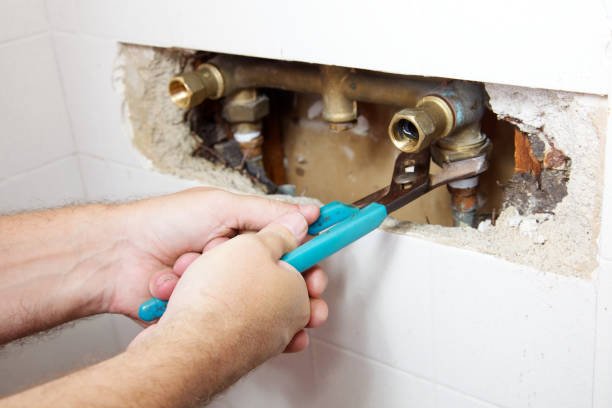
In many cases, the pipe remains hidden inside the building structure. As a result, technicians cannot directly see the leaking point. Instead, they may first notice a damp wall, ceiling stain, moisture patch, unusual smell, or loss of water pressure.
However, the visible sign does not always indicate the actual leak location.
What Causes Indoor Water Leaks?
Several factors can cause concealed plumbing leaks.
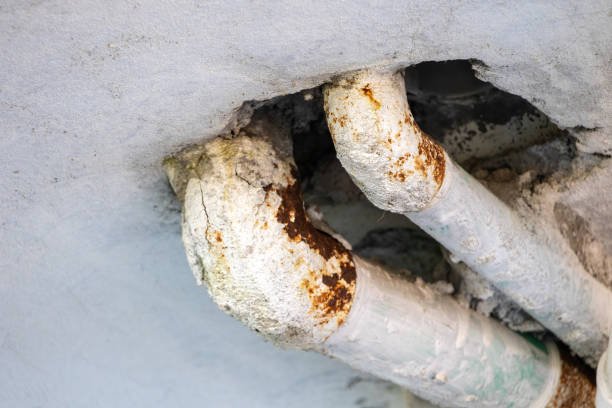
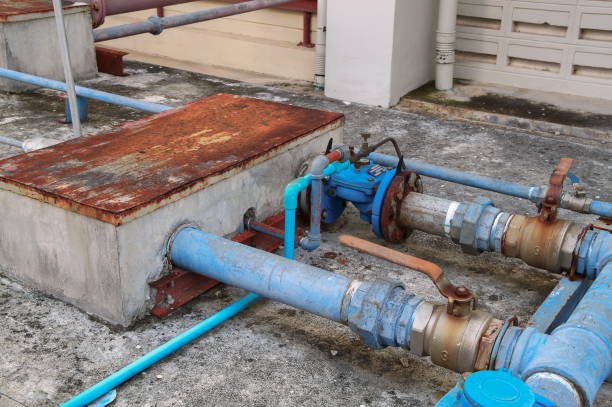
Pipe Aging and Corrosion
Over time, pipes can deteriorate. Corrosion can weaken the pipe wall and eventually create leakage points.
Excessive Water Pressure
High pressure can place additional stress on pipes, joints, and fittings. Therefore, long-term pressure problems can increase the risk of leakage.
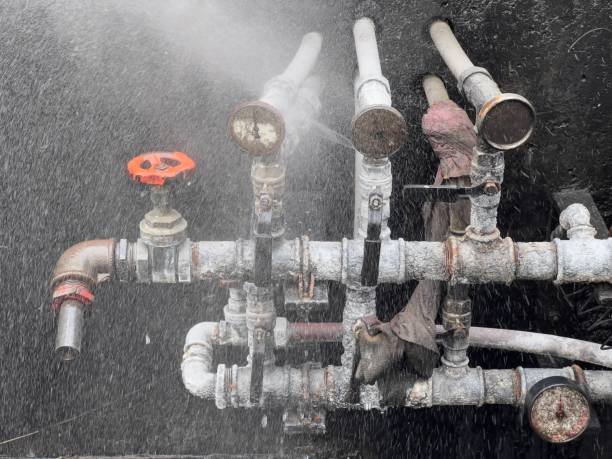
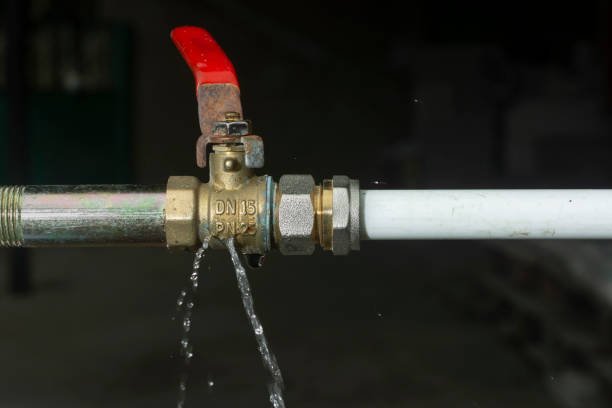
Damaged Fittings and Seals
Connections depend on seals, joints, and fittings. If these components degrade, water can escape from the connection.
Renovation Damage
Drilling, cutting, or structural work can accidentally damage concealed pipes. The resulting leak may remain unnoticed until moisture becomes visible.
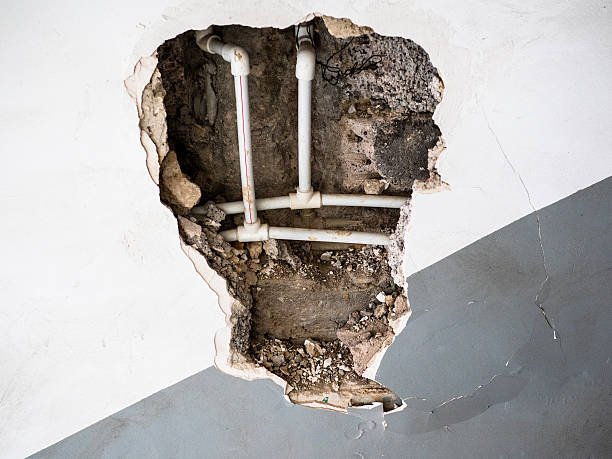
Material Fatigue
Pipes and connections experience repeated pressure
and temperature changes. Over time, this stress can
contribute to cracks or joint failures.
Can You Find Every Water Leak Through Visual Inspection?
Not always. A visual inspection remains an important first step in water leak detection. However, it has limitations.
These signs only show where moisture has appeared.
They do not necessarily show where the pipe is leaking.
Therefore, technicians often need additional inspection methods to narrow down concealed leak locations.
A technician may see:
1. Damp patches
2. Ceiling stains
3. Peeling paint
4. Swollen flooring
5. Mould growth
6. Visible water
Our innovative solutions are designed to address the
unique needs of our clients and drive success.
How Does Thermal Imaging Help With Water Leak Detection?
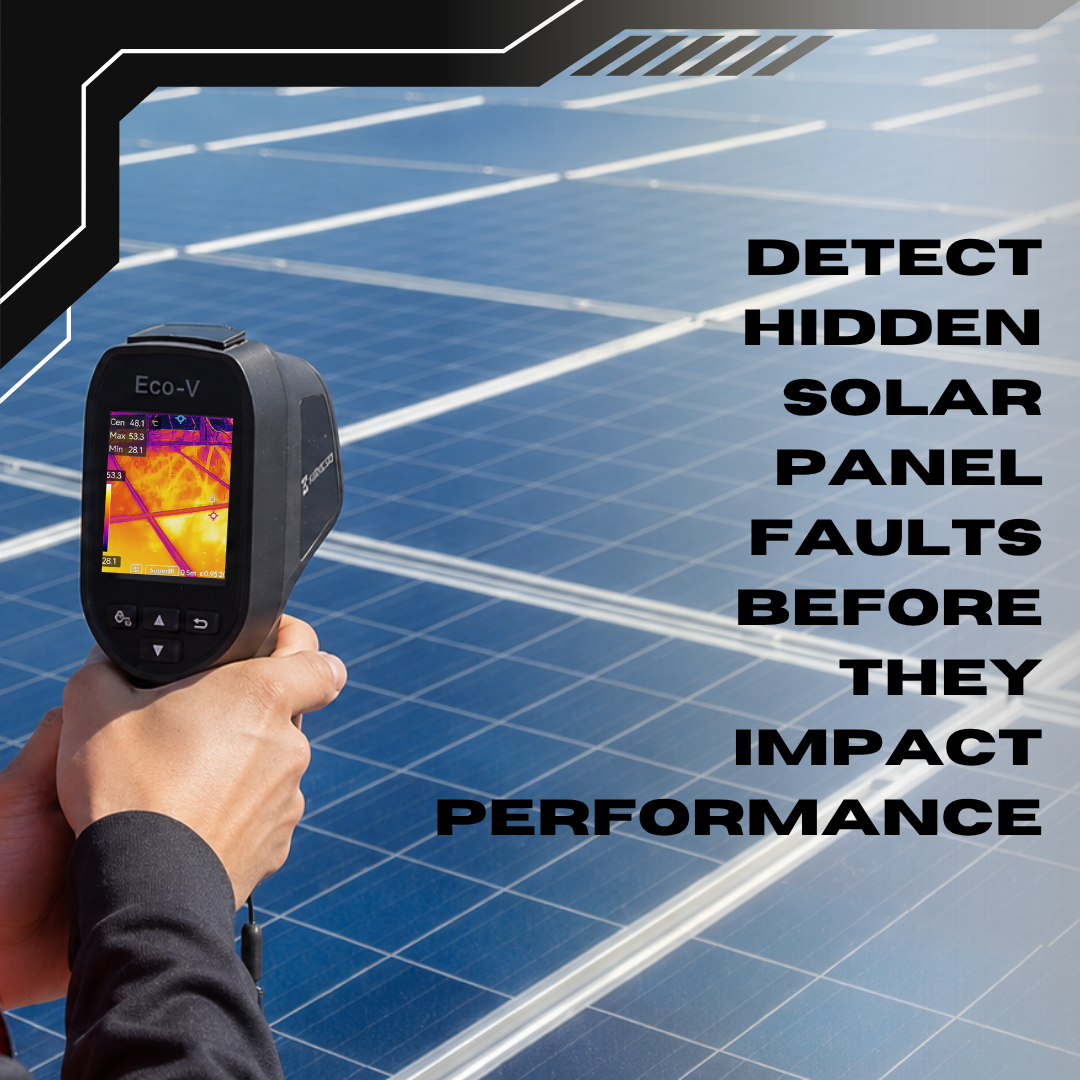
Thermal imaging detects differences in surface temperature.
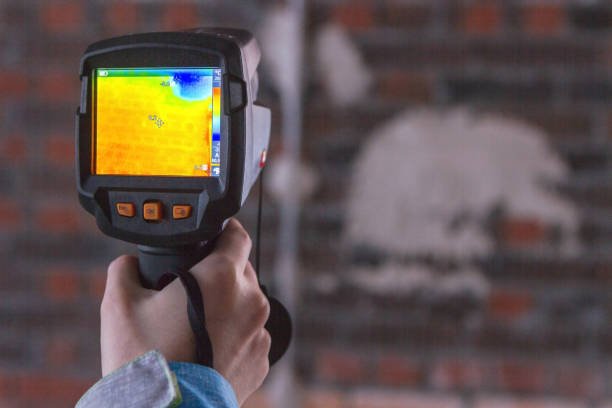
A thermal imager scans the surface of a wall, floor or ceiling and converts temperature variations into a visual thermal image. Under suitable conditions, leaking water can change the temperature of surrounding building materials. This change can create a visible thermal pattern. For example, a hot-water pipe leak may create a warmer area around the pipe. Similarly, cold water can produce a cooler thermal pattern. As a result, thermal imaging can help technicians identify areas that require further investigation. However, the thermal image does not directly show the water itself. Instead, it shows temperature differences associated with the suspected leak or moisture pattern.
Where Can Thermal Imaging Be Used?
Thermal imaging can support water leak detection across several areas of a building.
Walls
Technicians can scan walls to identify unusual thermal patterns associated with concealed plumbing.
This can be useful when pipes run inside drywall, plaster or masonry.
Underfloor Heating Systems
Thermal imaging can be particularly useful for checking underfloor heating systems.
It can show how heat is distributed on the floor & highlight areas where the temperature appears abnormal.
Ceilings
Leaks from plumbing above a ceiling can create temperature differences or moisture-related patterns.
A thermal inspection can help identify suspicious areas and guide further testing.
Why Use Thermal Imaging for Water Leak Detection?
Thermal imaging offers several practical advantages.
Faster Screening
Technicians can scan large surfaces quickly. Therefore, they can identify areas that need closer attention without immediately opening the structure.
Non-Contact Inspection
Thermal imaging does not require physical contact with the inspected surface. It can therefore support non-destructive investigation.
Reduced Structural Damage
By narrowing the suspected area first, technicians may reduce unnecessary drilling, cutting, or excavation.
Better Maintenance Decisions
Thermal information gives technicians another source of data. As a result, they can make more informed decisions before starting repairs.
Early Investigation
A thermal inspection can help identify suspicious areas before visible damage becomes extensive, provided suitable thermal conditions exist.
Looking for the Right Thermal Imager for Water Leak Detection?
Identify hidden temperature patterns and inspect walls, floors, ceilings and concealed plumbing more efficiently with the right thermal imaging solution.