What is a Power Analyzer?
In modern electrical systems, energy efficiency, power quality, and equipment reliability are more important than ever. Whether in industrial manufacturing, renewable energy plants, EV testing labs, or commercial facilities, accurate electrical measurement is essential for preventing downtime and improving operational efficiency. This is where a Power Analyzer becomes an indispensable tool.
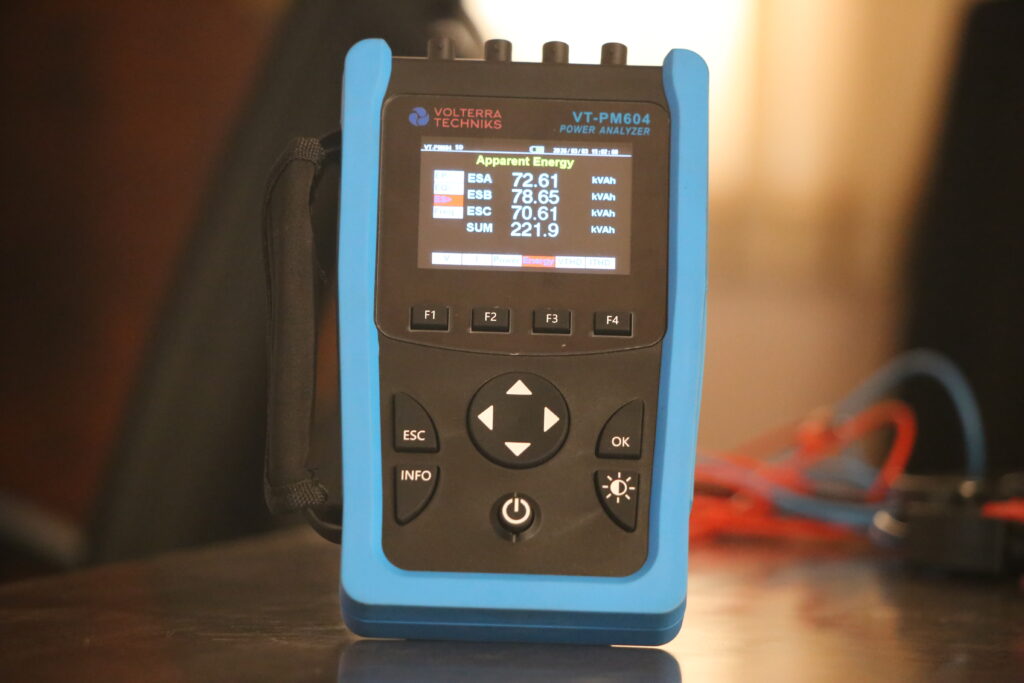
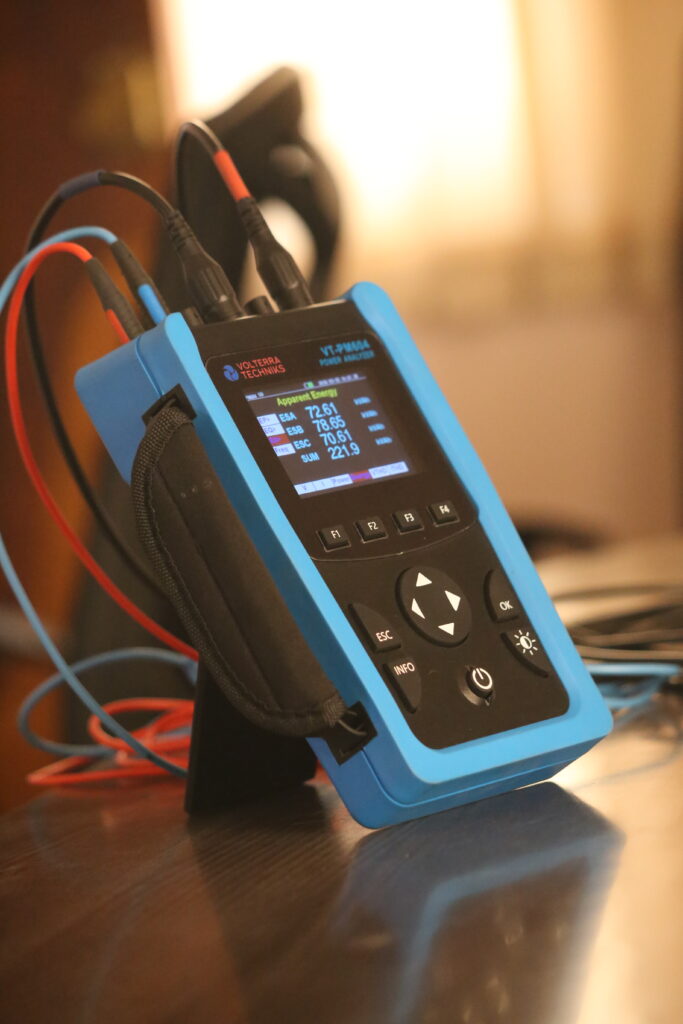
A power analyzer is an advanced electrical testing instrument used to measure, monitor, and analyze electrical parameters such as voltage, current, power, energy consumption, harmonics, frequency, and power quality. Unlike basic meters, power analyzers provide detailed insights into electrical system performance, helping engineers and technicians identify inefficiencies, diagnose faults, and optimize energy usage.
From testing solar inverters and motors to performing energy audits and harmonic analysis, power analyzers are widely used across industries that depend on stable and efficient electrical systems.
Single Phase Power Analyzer
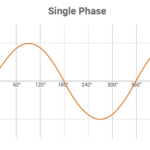
Single-phase power analyzers are designed for residential appliances, laboratory testing and low-power electrical systems. These analyzers are ideal for measuring:
– Household equipment
– Consumer electronics
– Small machines
– UPS systems
They are commonly used in R&D labs and service centers where detailed analysis of single-phase loads is required.
Three Phase Power Analyzer
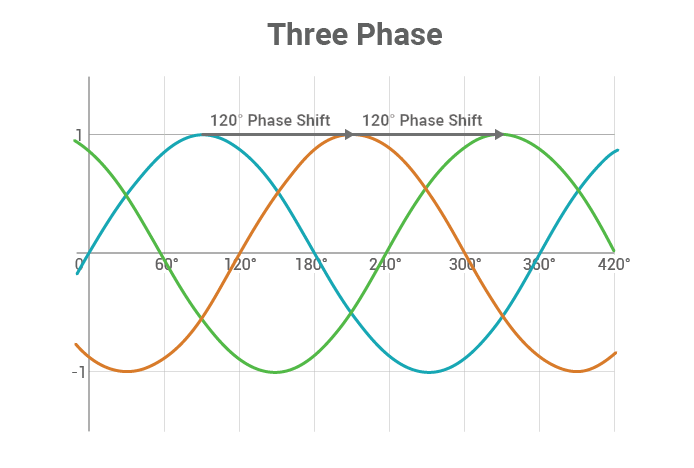
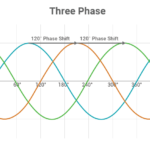
Three-phase power analyzers are widely used in industrial applications because most industrial equipment operates on three-phase electrical systems. Applications include:
– Industrial motors
– Transformers
– Manufacturing plants
– EV charging systems
These analyzers provide accurate readings for balanced & unbalanced loads while helping engineers monitor power quality & energy efficiency.
| Features | Power Meter | Power Analyzer |
|---|---|---|
| Basic Voltage/Current Measurement | Yes | Yes |
| Power Quality Analysis | Limited | Advanced |
| Harmonic Analysis | No/Basic | Yes |
| Data Logging | Limited | Extensive |
| Industrial Diagnostics | Basic | Advanced |
| Energy Audit Capability | Moderate | High |