Power Analyzer for EV Testing
EV Testing for Accurate Battery, Motor, Inverter & Charger Performance Measurement.
Discover how power analyzers are used in EV testing for battery systems, motors, inverters, chargers and efficiency measurements. Learn key features, applications, and how to choose the right power analyzer for electric vehicle testing.
As electric vehicles (EVs) continue to transform the automotive industry, the demand for precise electrical testing and performance validation has never been greater. Every critical EV component—from battery packs and traction motors to inverters and charging systems—must be thoroughly tested to ensure efficiency, safety, and reliability. This is where a Power Analyzer becomes an essential testing instrument. By accurately measuring voltage, current, power, energy consumption, efficiency, harmonics, and power quality, a power analyzer helps engineers optimize EV performance, improve battery range, and validate compliance with industry standards.
Why Power Analysis is Critical in EV Testing
Unlike conventional internal combustion engine vehicles, EVs rely entirely on electrical energy conversion. Every watt lost through inefficiencies directly impacts vehicle range, charging performance, and overall operating costs.
Power analyzers help engineers evaluate:
– Battery charging and discharging efficiency
– Traction motor performance
– Inverter conversion efficiency
– Regenerative braking effectiveness
– Power quality during charging
– Energy consumption under various operating conditions
Accurate power measurements allow manufacturers to identify energy losses, optimize system design, and improve vehicle performance before production.
Key EV Components Tested Using a Power Analyzer
The battery pack is the most valuable component in an electric vehicle. Power analyzers are used to measure battery charging and discharging characteristics, energy efficiency, voltage stability, and power losses.
Engineers use these measurements to:
1. Evaluate battery performance
2. Calculate charge-discharge efficiency
3. Monitor energy consumption
4. Validate battery management systems (BMS)
5. Assess battery degradation over time
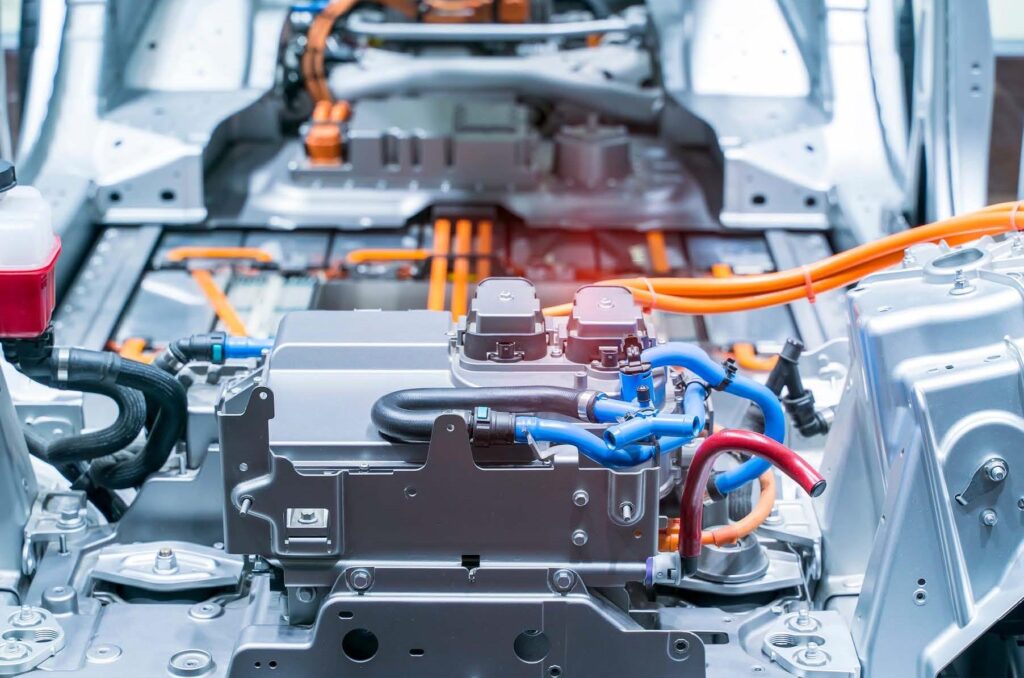
EV inverters convert DC power from the battery into AC power required by the traction motor. Since energy conversion efficiency directly affects driving range, inverter testing is one of the most important applications for a power analyzer.
During inverter testing, engineers measure:
1. Input DC power
2. Output AC power
3. Conversion efficiency
4. Harmonic distortion
5. Switching losses
6. Power factor
Even small efficiency improvements can significantly increase vehicle range.
The traction motor determines how efficiently electrical energy is converted into mechanical motion.
Power analyzers help measure:
1. Motor input power
2. Output mechanical power
3. Motor efficiency
4. Torque-related electrical characteristics
5. Power factor
6. Load performance
These measurements help manufacturers optimize motor design and improve overall drivetrain efficiency.
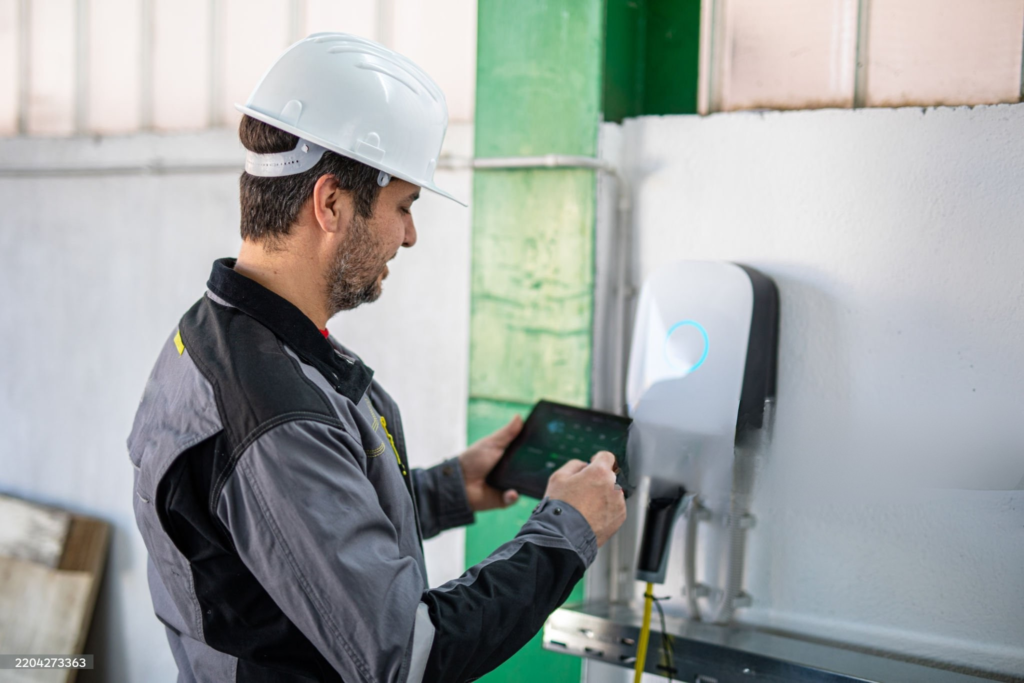
Charging infrastructure must deliver safe and efficient power to EV batteries.
Power analyzers are widely used to test:
1. AC charging stations
2. DC fast chargers
3. Bidirectional charging systems
4. Vehicle-to-grid (V2G) applications
Parameters commonly measured include:
– Voltage
– Current flow
– Charging efficiency
– Harmonics
– Power quality
– Energy
How a Power Analyzer Works in EV Testing
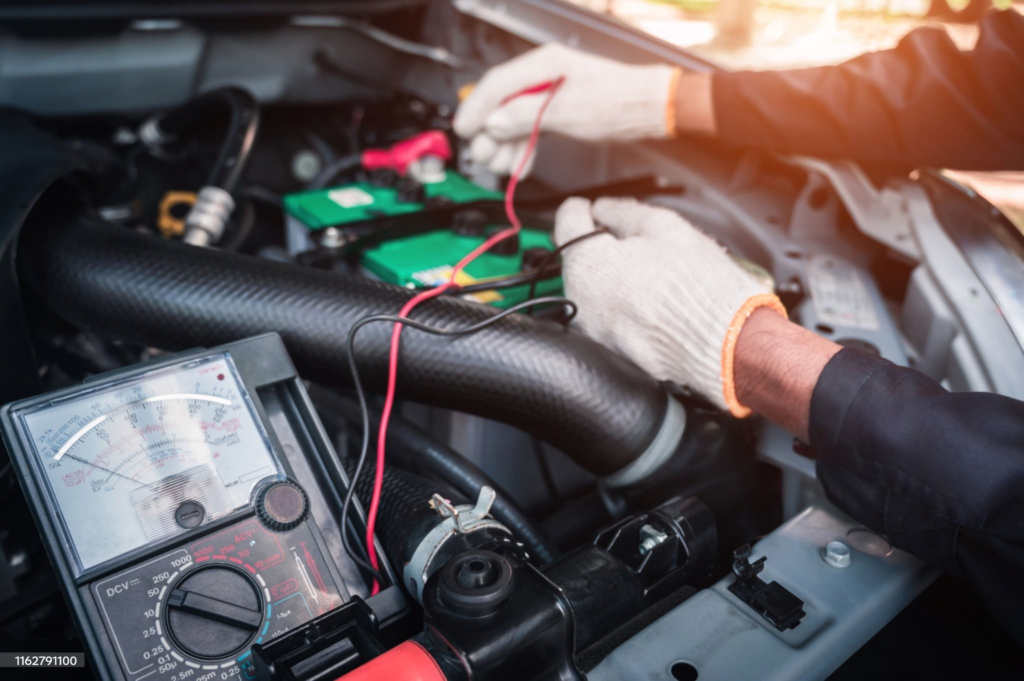
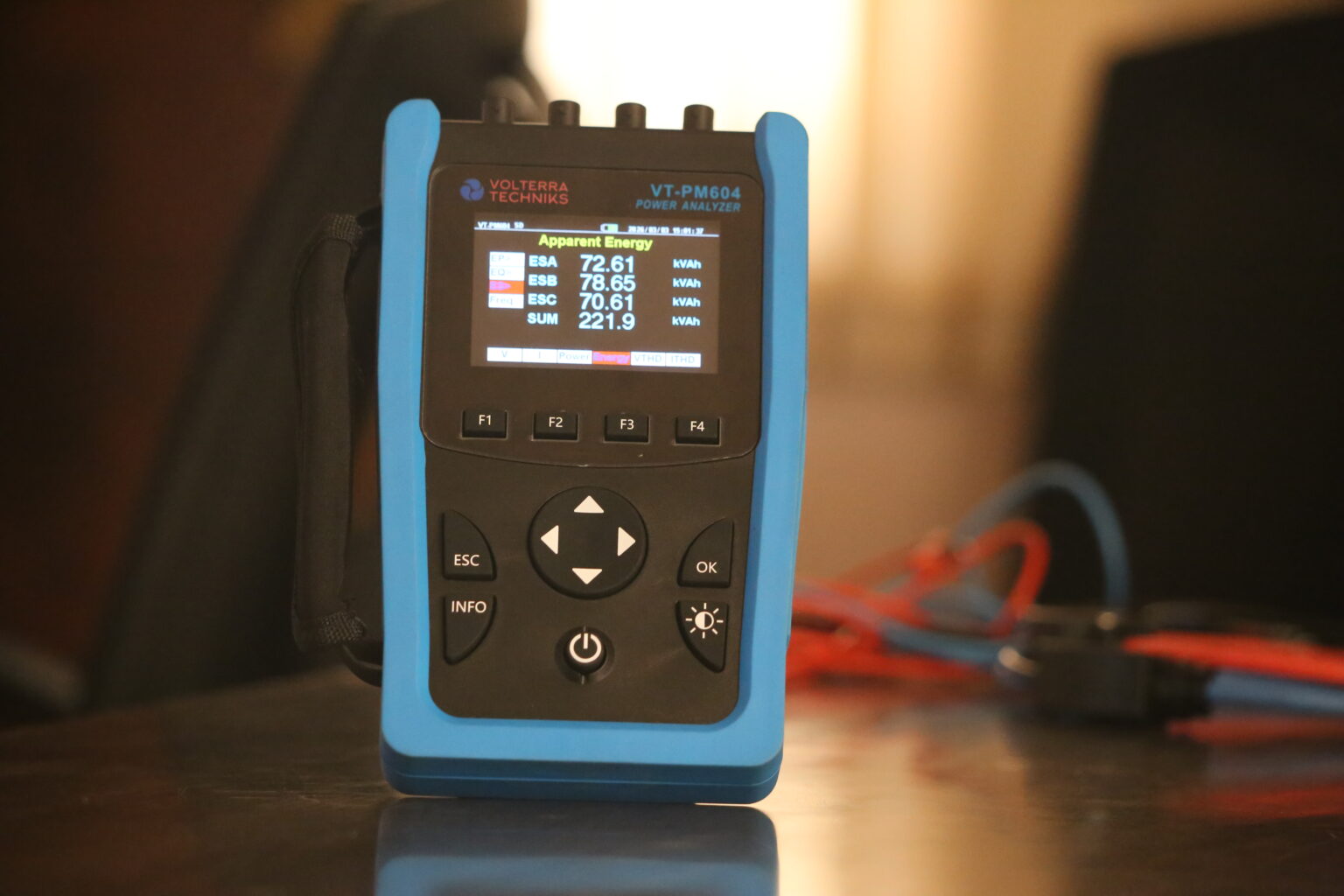
A power analyzer simultaneously measures voltage and current waveforms at multiple points within the EV system.
Using advanced Digital Signal Processing (DSP) which calculates:
- Active Power (kW)
- Reactive Power (kVAR)
- Apparent Power (kVA)
- Power Factor
- Efficiency
- Energy Consumption (kWh)
- Harmonic Distortion (THD)
Important Features to Look for in an EV Power Analyzer
When selecting a power analyzer for EV testing, consider the following capabilities:
High-Speed Sampling
Required for capturing rapidly changing electrical events during acceleration and charging cycles.
Multi-Channel Measurement
Allows simultaneous testing of battery, inverter, motor, and charger systems.
Wide Voltage and Current Range
Supports testing across various EV architectures and battery platforms.
Harmonic Analysis
Essential for evaluating inverter and charger performance.
Data Logging and Reporting
Provides long-term monitoring and detailed test documentation.
High Accuracy
Critical for efficiency calculations where even small measurement errors can affect results.
Common Challenges in EV Power Measurement
Accurate EV testing requires careful setup and configuration. Common measurement errors are listed below-:
Incorrect voltage or current probe configuration
Phase mismatch between channels
Improper current clamp orientation
Inadequate sampling rates
Incorrect wiring configuration selection
Using a properly configured power analyzer helps eliminate these issues and ensures reliable test results.
find the best product for your application
To Know More